

When it comes to running a successful poultry farming business, one truth stands above all: the quality and suitability of your equipment directly determine your productivity, animal welfare, and bottom line. Whether you’re scaling up a layer farm, expanding a broiler operation, or launching a new commercial poultry facility, selecting the right machinery isn’t just a purchase—it’s an investment in long-term success.
In this guide, we’ll break down the critical factors to consider when choosing poultry equipment, highlight the core systems that drive modern farming, and help you make decisions that align with your company’s goals, budget, and operational needs.
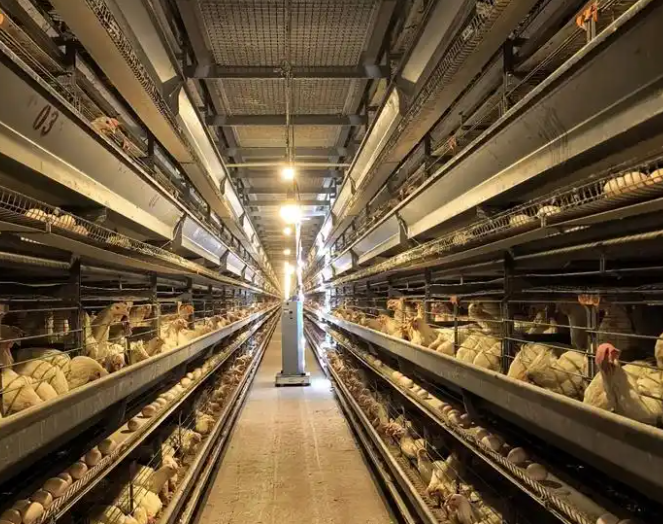
Why Choosing the Right Poultry Equipment Matters
Poultry farming has evolved from small-scale backyard operations to highly automated, industrial-grade facilities. Today’s equipment does far more than just house birds—it manages feeding, watering, ventilation, waste removal, and environmental control with precision.
Choosing the wrong equipment can lead to:
- Reduced feed conversion ratios (FCR) and lower egg/meat yields
- Higher mortality rates due to poor ventilation or hygiene
- Increased labor costs from manual, inefficient processes
- Higher long-term maintenance expenses and downtime
- Non-compliance with animal welfare and industry regulations
On the flip side, well-chosen, automated poultry equipment:
- Boosts production efficiency by up to 30%
- Improves bird health and reduces disease risks
- Cuts labor costs through automated feeding, watering, and cleaning
- Ensures consistent, high-quality output for your customers
- Future-proofs your farm for scaling and industry changes
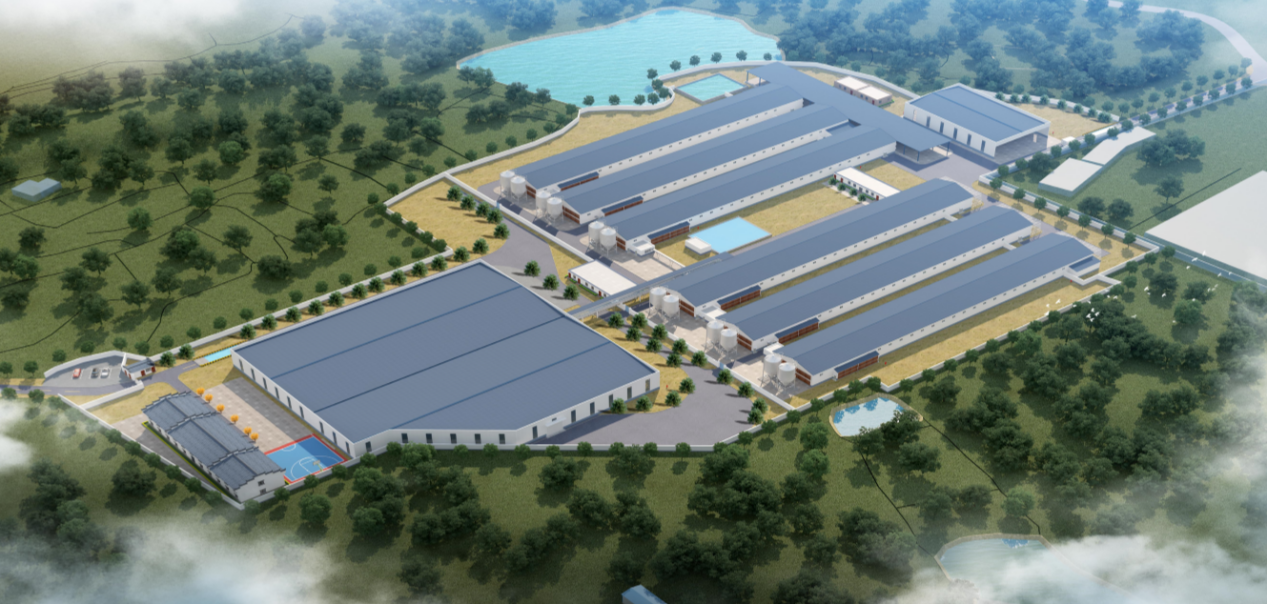
Core Poultry Equipment Systems to Evaluate
Every commercial poultry operation relies on several key systems. Let’s break down the most critical ones and what to look for in each:
1. Housing & Cage Systems
The foundation of your farm is the housing structure and cage systems. For layer farms, multi-tiered battery cages or enriched colony cages are standard, while broiler farms often use floor-rearing systems or controlled environment housing.
Key considerations:
- Material durability: Galvanized steel or corrosion-resistant alloys ensure longevity in high-moisture environments.
- Space per bird: Adhere to industry standards for animal welfare and optimal growth.
- Ease of cleaning: Removable trays, sloped floors, and access points simplify waste removal.
- Scalability: Modular designs let you add tiers or units as your flock grows.
2. Automated Feeding Systems
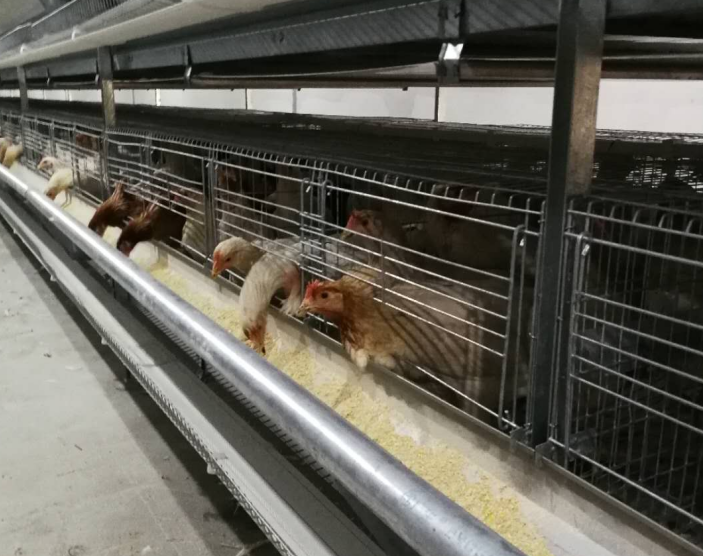
Consistent, precise feeding is critical for uniform growth and egg production. Modern systems eliminate manual labor and ensure every bird gets the right amount of feed.
Options to evaluate:
- Chain feeding systems: Ideal for large flocks, distributing feed evenly across long rows.
- Auger systems: Efficient for layer and breeder farms, with adjustable flow rates.
- Tray and pan feeders: Gentle on young chicks, reducing feed waste and stress.
Must-have features:
- Anti-waste mechanisms to minimize feed loss.
- Easy adjustment for different growth stages or production cycles.
- Compatibility with silo storage systems for bulk feed delivery.
3. Watering Systems
Clean, accessible water is non-negotiable for poultry health. Poor watering systems can lead to dehydration, bacterial growth, and reduced performance.
Popular solutions:
- Nipple drinkers: The industry standard for commercial farms, reducing water waste and contamination.
- Bell drinkers: Suitable for broiler farms, providing easy access for larger birds.
- Closed piping systems: Prevent algae growth and ensure consistent water pressure.
Critical checks:
- Leak-proof design to avoid wet litter and disease risks.
- Pressure regulators to ensure uniform water flow across all tiers.
- Easy access for cleaning and maintenance to prevent biofilm buildup.
4. Ventilation & Climate Control Systems
Poultry are highly sensitive to temperature, humidity, and air quality. A well-designed ventilation system maintains optimal conditions year-round, reducing heat stress and respiratory issues.
Essential components:
- Exhaust fans: Remove stale air, moisture, and ammonia from the barn.
- Inlet systems: Bring in fresh, filtered air while maintaining temperature control.
- Tunnel ventilation: Ideal for large facilities, creating a consistent airflow pattern.
- Climate controllers: Automate fan speed, temperature, and humidity settings for 24/7 monitoring.
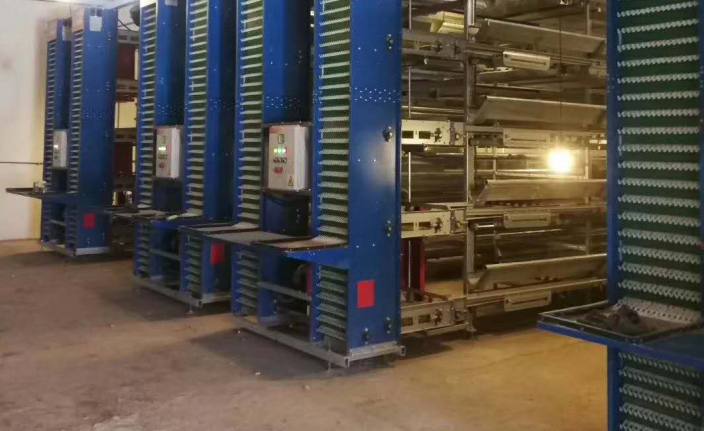
5. Manure & Waste Management Systems
Efficient waste removal is key to maintaining a clean, healthy environment and complying with environmental regulations.
Common systems:
- Conveyor belt systems: Automatically remove manure from under cages to storage or composting areas.
- Scraper systems: Suitable for floor-reared flocks, pushing waste to collection points.
- Manure storage silos: Store waste safely for later use as fertilizer or bioenergy.
How to Select the Best Equipment for Your Company
Now that you know the core systems, here’s a step-by-step framework to choose the right poultry equipment for your business:
Step 1: Define Your Operational Goals
Start by answering these questions:
- Are you raising layers, broilers, or breeders?
- What’s your target flock size (current and 5-year projection)?
- Do you prioritize labor savings, animal welfare, or production yield?
- What are your local regulations for housing, waste, and biosecurity?
Your answers will narrow down the equipment types that align with your business model.
Step 2: Assess Your Budget & ROI
Poultry equipment is a long-term investment. Don’t just look at upfront costs—calculate the return on investment (ROI) over 5–10 years.
- Higher upfront cost: Automated systems (feeding, ventilation, waste removal) reduce labor and increase yields, delivering faster ROI.
- Lower upfront cost: Manual systems require more labor and may lead to higher long-term costs from inefficiency and disease.
Work with equipment suppliers to get detailed cost breakdowns and ROI projections for different options.
Step 3: Evaluate Supplier Reliability & Support
Your equipment is only as good as the supplier behind it. Look for:
- Proven track record: Years of experience in poultry equipment engineering and installation.
- After-sales support: On-site maintenance, spare parts availability, and technical training for your team.
- Customization capabilities: Ability to tailor systems to your farm’s layout and specific needs.
- Warranty coverage: Comprehensive warranties for components and systems to protect your investment.
Step 4: Prioritize Scalability & Future-Proofing
Choose equipment that can grow with your business. Modular designs, compatible components, and flexible layouts let you expand your flock or add new systems without a complete overhaul.
Final Thoughts: Invest in Your Farm’s Future
Choosing the right poultry equipment isn’t just about buying machines—it’s about building a sustainable, profitable operation that thrives for years to come. By focusing on your operational goals, evaluating core systems, and partnering with a reliable supplier, you’ll set your company up for success in the competitive poultry industry.
At [Your Company Name], we specialize in designing, manufacturing, and installing end-to-end poultry farming solutions tailored to your needs. From automated feeding and watering systems to climate control and waste management, our equipment is built to maximize efficiency, improve animal welfare, and drive your bottom line.
Ready to take your poultry farm to the next level? Reach out to our team today to schedule a consultation and see how our equipment can transform your operations.